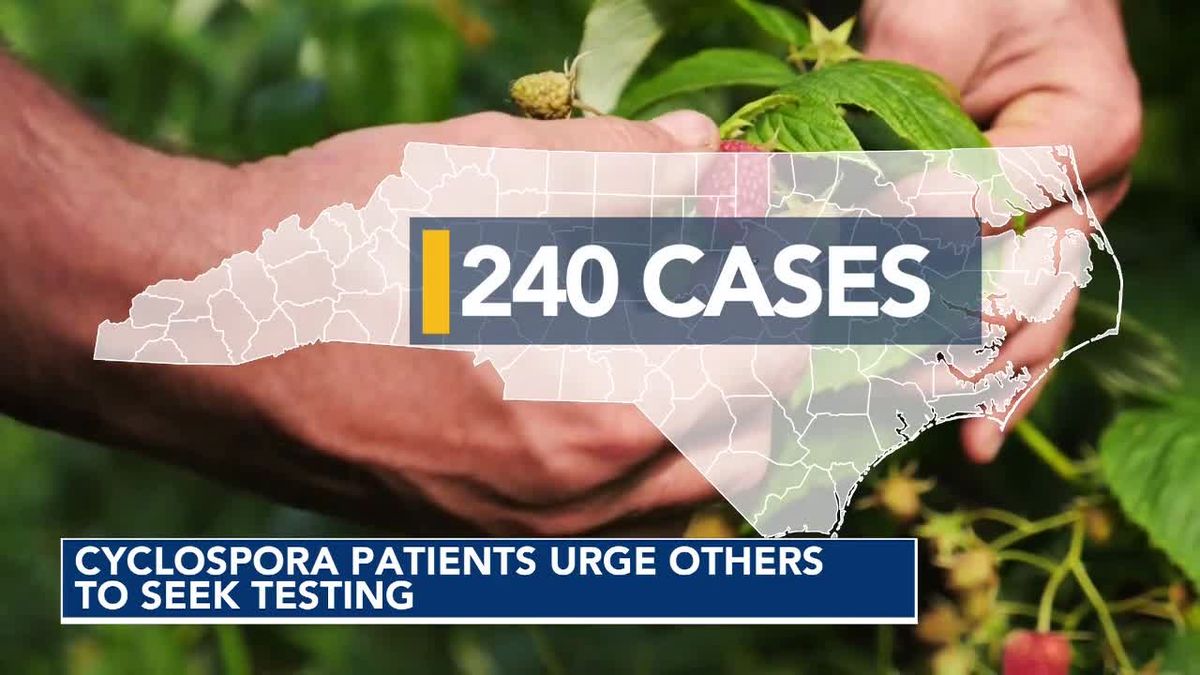
North Carolina health officials are investigating a sharp increase in illnesses connected to the parasite Cyclospora.
More than 240 people across the state have been sickened since May 1, including more than 100 cases reported during the past week.
Officials have not identified a confirmed food or water source connected to the North Carolina cyclospora outbreak.
What Is Cyclospora?
Cyclospora is a microscopic parasite that can cause an intestinal illness known as cyclosporiasis.
People can become infected after consuming food or water contaminated with the parasite. Cyclospora is frequently associated with fresh produce, although health officials have not connected the current cases to a specific product.
Unlike some foodborne illnesses, cyclospora is not generally spread directly from one person to another. The parasite normally requires time outside the body before it becomes infectious.
Symptoms of Cyclosporiasis
The most common symptom is prolonged or frequent watery diarrhea.
Other symptoms may include stomach cramps, nausea, fatigue, loss of appetite, weight loss, increased gas, bloating and a low-grade fever.
Symptoms may continue for several weeks and can sometimes return after appearing to improve.
Anyone experiencing prolonged diarrhea or other concerning symptoms should contact a healthcare provider. Cyclosporiasis can be treated with prescription medication.
Wake County Reports Most of the Cases
Wake County accounts for nearly two-thirds of the illnesses reported in the North Carolina cyclospora outbreak.
However, the investigation is being conducted on a statewide level, and health officials are continuing to interview patients and compare possible exposures.
Investigators may ask people who became sick where they recently ate, which grocery stores they visited and what fresh foods they consumed.
The process can be difficult because symptoms may not begin until several days after exposure. Patients may have trouble remembering every food they ate during that period.
Outbreak Raises Questions About Public-Health Resources
The increasing case count is also drawing attention to the resources available for tracking foodborne illnesses.
The federal government has reduced some required surveillance through the Centers for Disease Control and Prevention’s Foodborne Diseases Active Surveillance Network.
Active tracking requirements for cyclosporiasis were among the changes. Federal officials have said other systems will continue monitoring illnesses no longer included in that network.
North Carolina health officials say the state’s foodborne illness surveillance program has not experienced staffing changes because of those federal reductions.
The North Carolina Department of Health and Human Services continues working with county and federal partners to investigate cases, identify possible sources and implement control measures.
How Residents Can Reduce Their Risk
There is currently no specific food recall connected to the North Carolina cyclospora outbreak.
Residents can continue following standard food-safety practices. Fresh fruits and vegetables should be rinsed carefully under running water before they are eaten, cut or prepared.
Refrigerated produce should be stored properly, and cutting boards, utensils and countertops should be cleaned after food preparation.
Washing produce can reduce contamination, but it may not completely eliminate cyclospora if the parasite is present.
Health officials will continue investigating the North Carolina cyclospora outbreak as additional cases are reported and possible sources are reviewed.
Stay connected with Star 102.5 and the Carolina Air Newsroom for updates on this investigation and other health news affecting the Sandhills.